
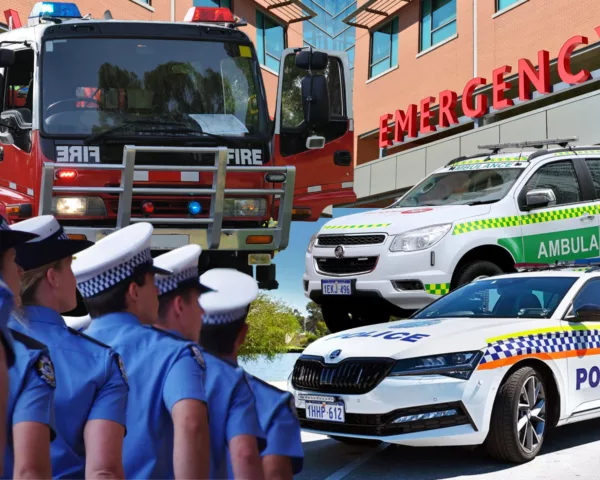

When we think about careers in emergency services, the first roles that often come to mind are Police Officers, Firefighters, and Paramedics.
But the industry is much broader than that—and it takes a whole network of professionals to keep our communities safe and supported.
Whether you're interested in frontline response or working behind the scenes, there’s a role for every strength, skillset, and interest.
Frontline Roles
These are the highly visible positions that involve direct response to emergencies and critical situations:
- Police Officers (state and federal)
- Firefighters (urban and rural)
- Ambulance Officers / Paramedics
- Search and Rescue Operators
- Emergency Communications Officers (Triple Zero call-takers and dispatchers)
Support and Specialist Roles
Many people working in emergency services contribute in specialised or behind-the-scenes roles. These include:
- Crime Scene and Forensic Specialists
- Data and Intelligence Analysts
- Logistics and Fleet Management
- IT and Communications Technicians
- Mental Health Crisis Responders
- Community Engagement Officers
- Training and Education Coordinators
- Media and Public Relations Officers
- Emergency Planning and Risk Officers
- Volunteer Coordinators
- Administrative and HR Officers
Support roles are critical to the success of frontline teams—and they can offer rewarding careers for students with strengths in organisation, technology, communication, science, and more.
How to Apply
Entry into emergency services varies depending on the role and agency. Here are some general tips:
Frontline positions (such as Police, Fire, or Paramedic roles) typically require:
- Meeting physical and medical requirements
- Completing online applications and aptitude testing
- Attending assessment centres, interviews, and background checks
- Undertaking formal training through the agency's academy or college
Support roles may require:
- Vocational qualifications (e.g., Certificate III or IV)
- University degrees in areas such as science, health, IT, communications, or business
- Relevant experience or internships in government, admin, or tech roles
Many agencies also offer cadetships, volunteering programs, or school leaver recruitment streams—so it’s worth exploring their websites even if you’re still at school.
Useful Career and Recruitment Links
Each emergency service organisation has a dedicated careers site where you can learn more, search for jobs, and apply directly:
We recommend checking these sites regularly for updates, open intakes, and upcoming information sessions.